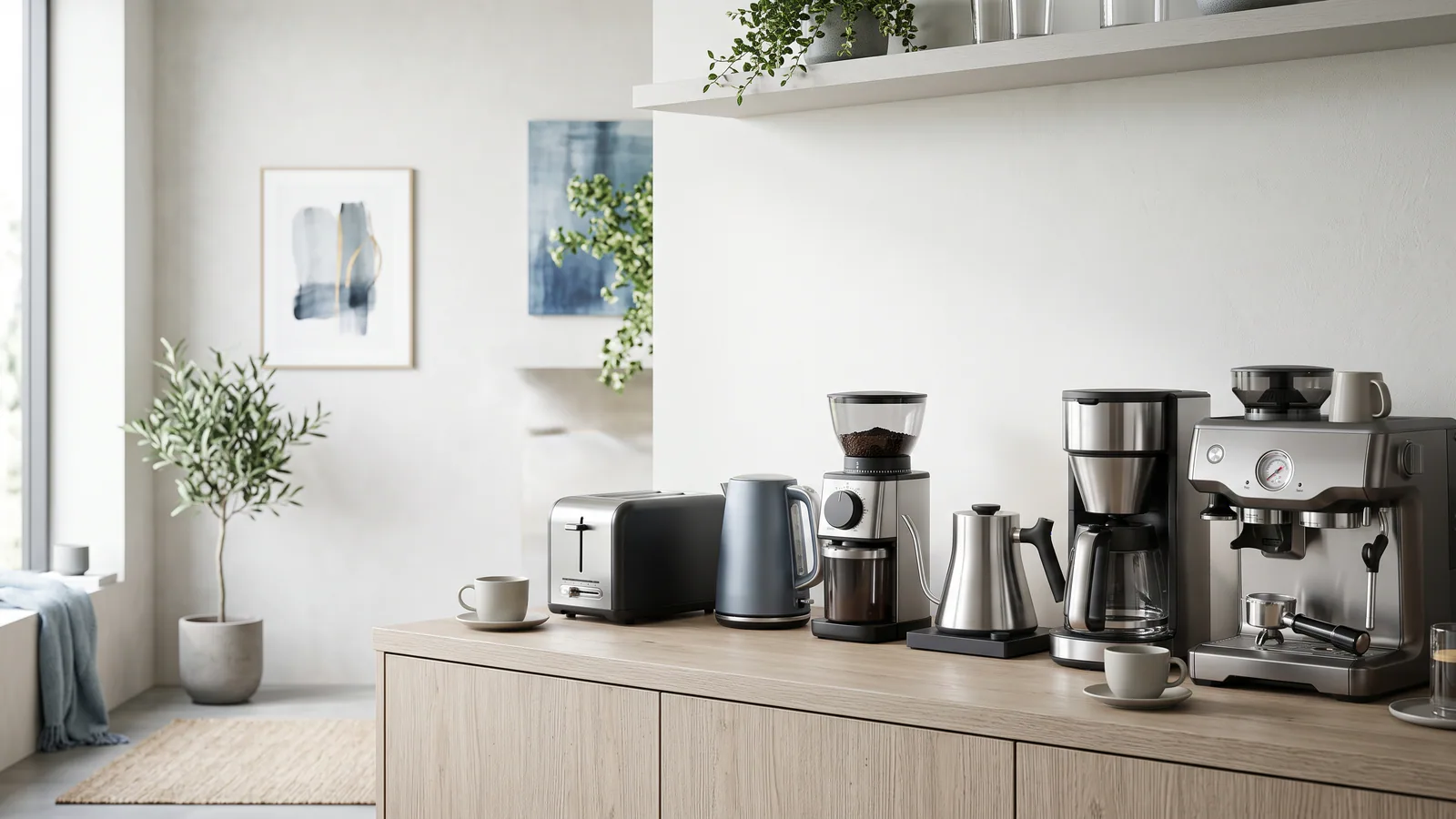
A good filter grinder can still be wrong for espresso
In a Singapore home-coffee discussion, the owner could afford to replace either the grinder or the coffee machine. One reply described enjoying a Fellow Ode Gen 2 for filter coffee but being unable to grind fine enough for a Gaggia espresso machine. That is one person's experience, not a ranking of grinders, but the mismatch is worth checking before you buy.
Fellow's own support page confirms the important part: Ode Gen 2 is designed for brewed coffee and is not suitable for espresso. A grinder can therefore do its intended job well and still be the wrong purchase for your coffee routine. “Burr grinder” alone does not answer that question.
Look for the supported method, then the adjustment
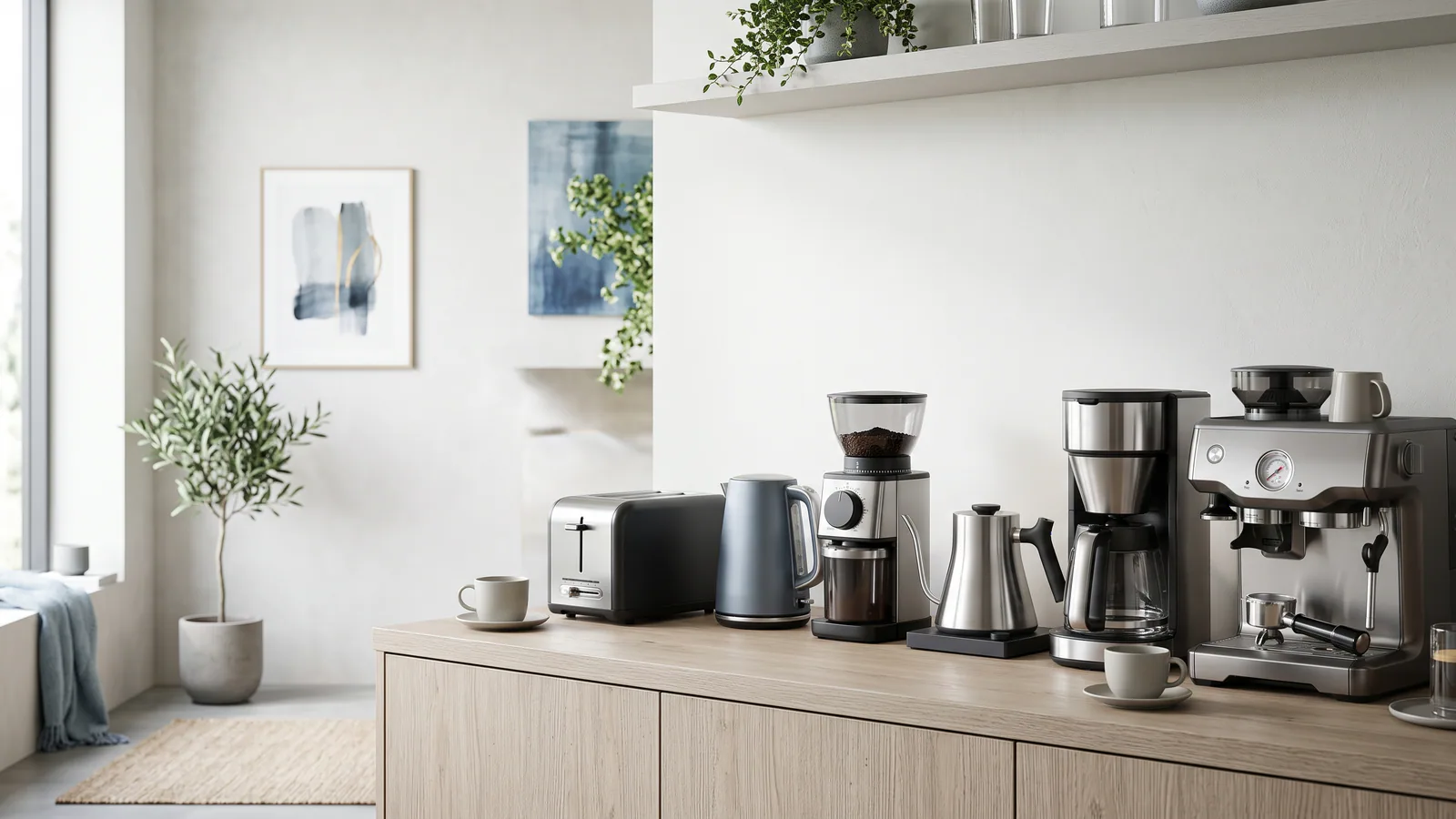
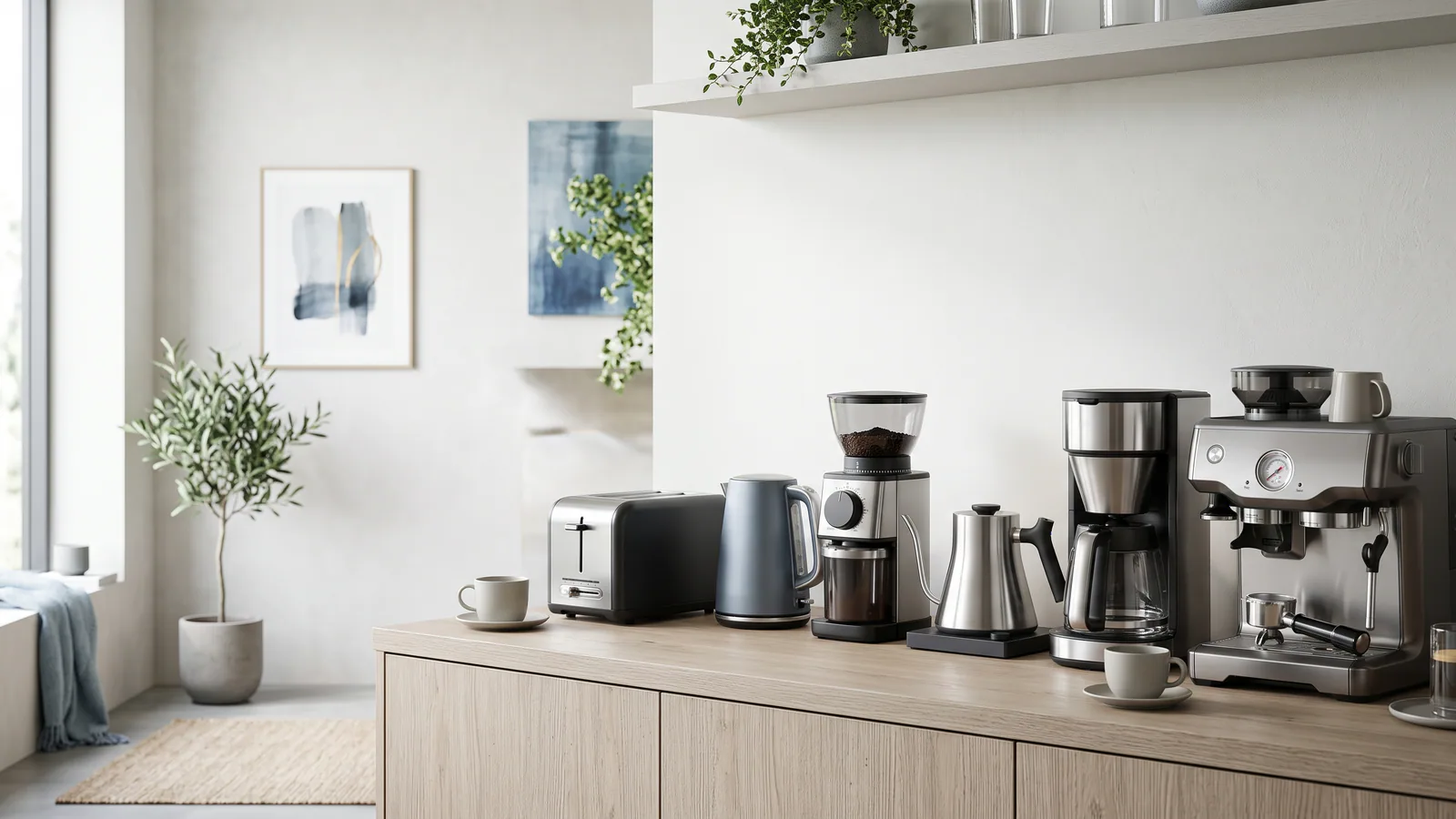
Start with the coffee you actually make: espresso, pour-over, an automatic filter brewer, or a mixture. Find those methods in the exact model's manual or official product description. A picture of an espresso cup beside a grinder is less useful than an explicit statement that the grinder supports espresso.
The Baratza Encore ESP manual provides a concrete example of what to look for. It separates settings 1–20 for espresso from 21–40 for filter coffee, with smaller changes between steps in the espresso range. Those numbers belong to the Encore ESP; they are not a settings guide for another grinder. The useful buying question is whether the adjustment system supports the brewing method you need to fine-tune.
One grinder can cover both, but compare the daily routine
You do not automatically need two grinders. Fellow describes its Opus models as espresso-capable alternatives in the same support guidance, while the Baratza manual covers both espresso and filter preparation. These are counterexamples to the idea that every filter-coffee household must buy another grinder when adding espresso.
For mixed use, look beyond the range label. In owner reviews, search the exact model with “switch espresso to filter” and “return to grind setting”. Look for people who actually switch between your two methods, and read what they do to find their setting again. A review about making only espresso cannot settle that workflow question.
As you build a shortlist, you can also explore the minMAX MC-1708 coffee grinder in our coffee range. Apply the same brew-method check to the model and version you choose; brand familiarity should not replace a match to your daily drink.
Separate a buying decision from an equipment fault
The Singapore discussion also included a loose portafilter. Replies suggested a possible maintenance issue, but they did not establish a diagnosis. Buying a grinder is not a remedy for an unsafe or faulty coffee machine; stop using faulty equipment and follow its manufacturer's service guidance.
For a normal purchase, the decision can stay simple. Rule out models that do not support your intended brew method, check how their adjustments work, then compare reviews from people making the same drinks. If your existing grinder already meets those needs and you enjoy the results, this distinction alone is no reason to replace it.