Your mug matters more than the largest number on the box
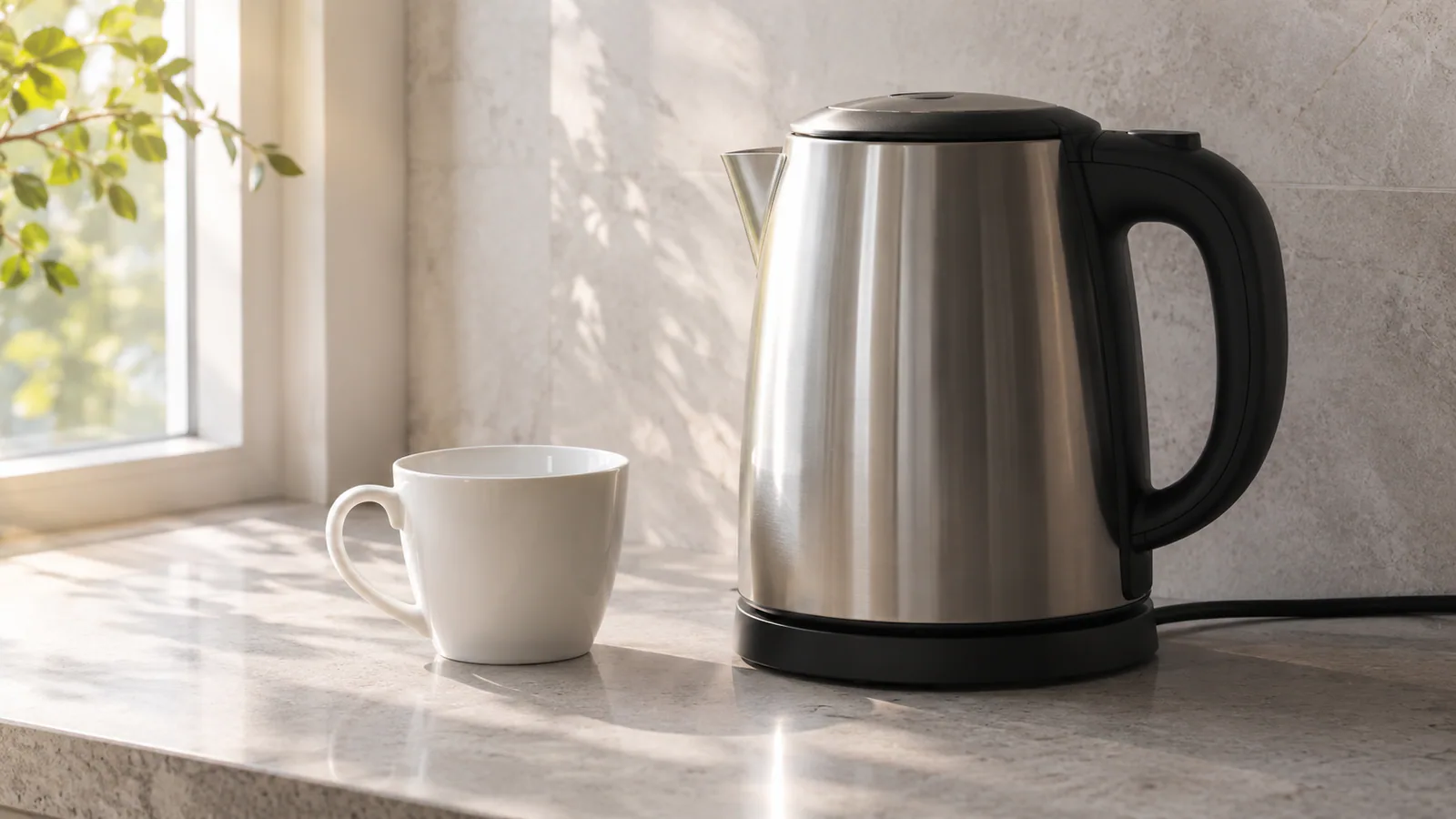
If you normally make one drink, start by measuring the water you put in that mug. Then compare it with the kettle's permitted minimum fill. A compact body or a modest maximum capacity does not tell you whether the kettle can heat that small amount.
The issue also matters when making several small pours. In a pour-over buying discussion, a shopper wanted temperature holding without leaving much unused water. Replies included owners happy to keep more water in their kettle. Neither preference is universal: the important difference is how much remains when heating continues.
Read the minimum line as an operating limit
The Fellow Stagg EKG instruction guide specifies a minimum of 333 ml and says not to operate below its minimum fill point. That number belongs to the model in that guide. It is not a general minimum for gooseneck kettles or for COSONIC products.
A different design may use a cup marking. The Russell Hobbs 23905 instructions say to fill to at least one cup and identify internal marks for one, two or three cups. The manual also describes boil-dry protection while warning that boiling dry shortens the element's life. A protective cut-out is therefore not permission to ignore the filling instructions.
If your drink needs less water than the permitted minimum, fill to the required level or choose another model suited to your routine. Do not copy a comment claiming that a particular kettle “still works” below its mark.
One-cup markings can make a larger kettle practical
You do not necessarily need a tiny kettle for a single drink. Philips' HD9365/11 page describes a one-cup indicator on a kettle with a 1.7-litre maximum capacity. It is a useful counterexample to choosing solely by the largest number on the box.
A clear marking helps you repeat a suitable fill, but the manufacturer's cup may not match your mug. Check the quantity described in the instructions. For a temperature-holding model, also read how heating behaves after you pour and replace the kettle; enough water at the start does not settle every later step.
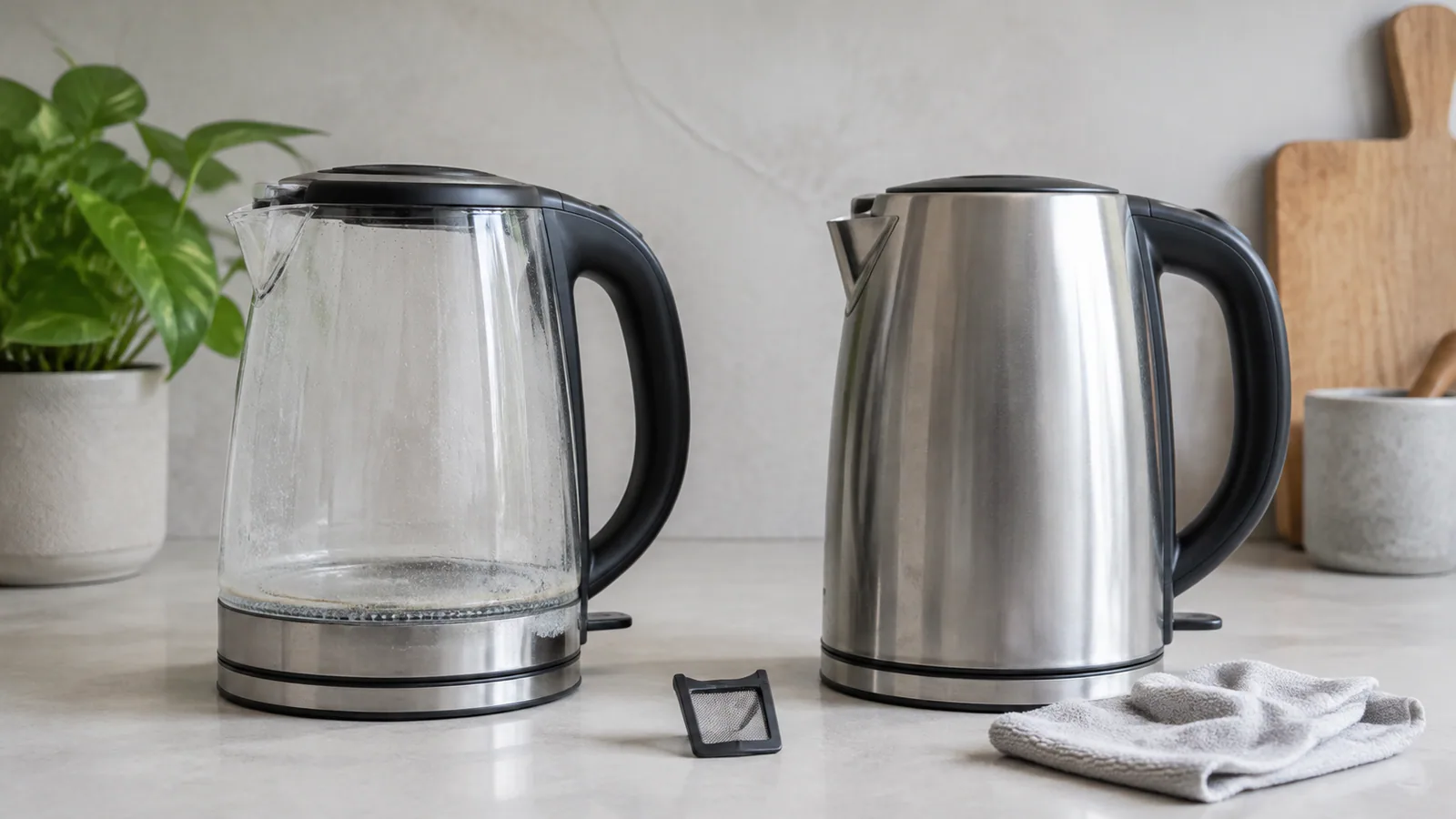
When comparing COSONIC electric kettles, use the same mug-and-minimum check alongside the handle, spout and water-level visibility you prefer.
Check these details before replacing a working kettle
Open the exact model's manual and search for “minimum”, “filling” and, where relevant, “hold”. Product photographs can help you see whether the marking is readable, but they cannot replace a missing operating limit. Search reviews using the model name plus “one cup” to see whether owners describe the same routine as yours.
If a listing does not make the minimum clear, keep comparing rather than assuming a smaller kettle must be suitable. If you regularly make several drinks together, a low minimum may matter less than an easy pour and enough capacity. And if your current kettle already fits your usual drink within its instructions, this check alone gives you no reason to replace it.