Start with the preparation you want to avoid
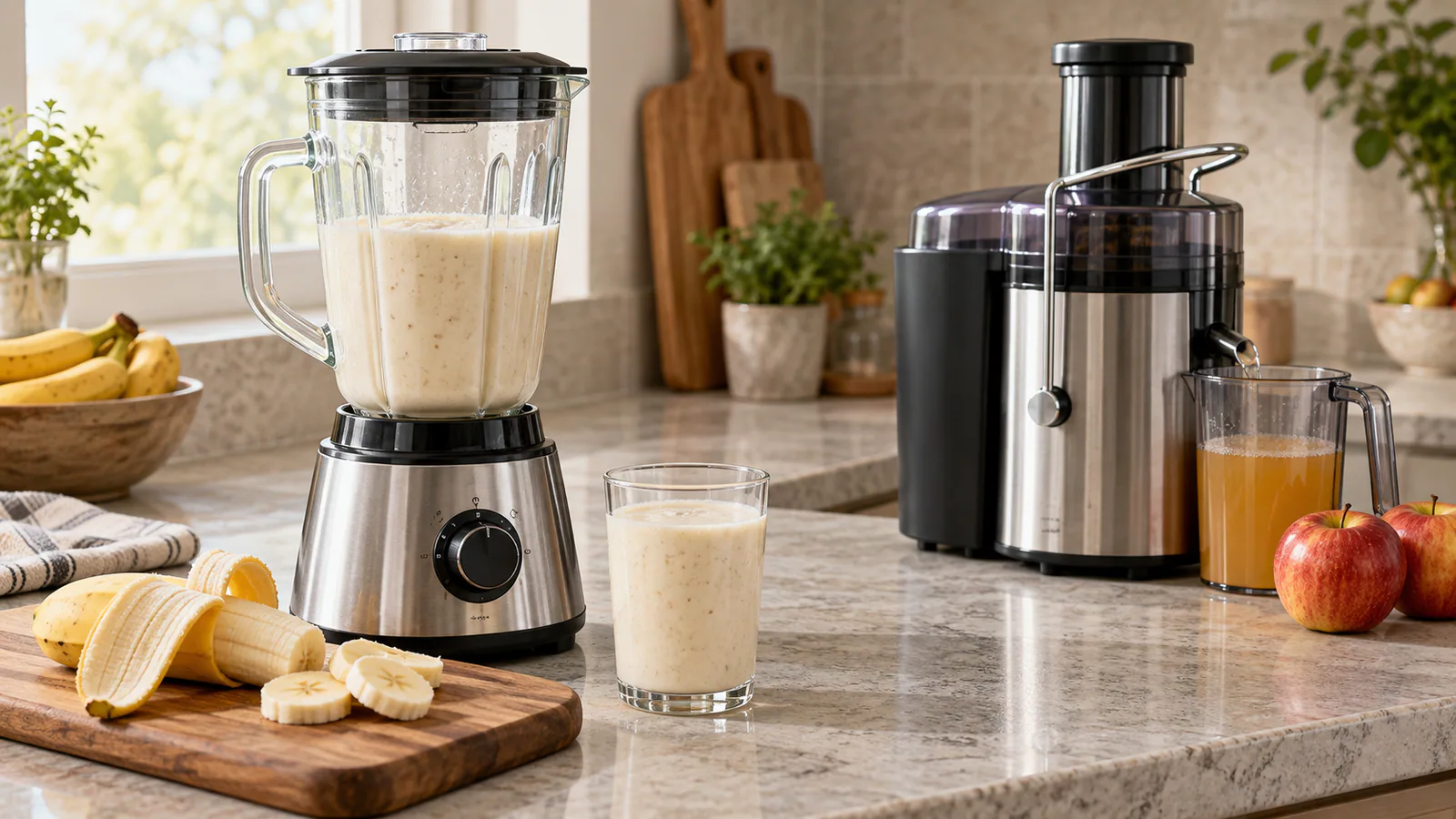
In a juice-buying discussion, a shopper wanted orange juice for breakfast but disliked the taste of the white layer left after peeling. They were considering another machine. Replies suggested a citrus press, but one owner was happy using a general-purpose slow juicer for several drinks. That is a useful distinction: an orange-only routine and a mixed-fruit routine need not lead to the same purchase.
Philips' guidance for its listed juicers advises peeling citrus and notes that the white pith can make juice taste bitter. Buying another general-purpose juicer does not automatically remove that preparation step. Check the exact model's instructions before putting rind through its feed opening.
A citrus cone changes how you prepare the fruit
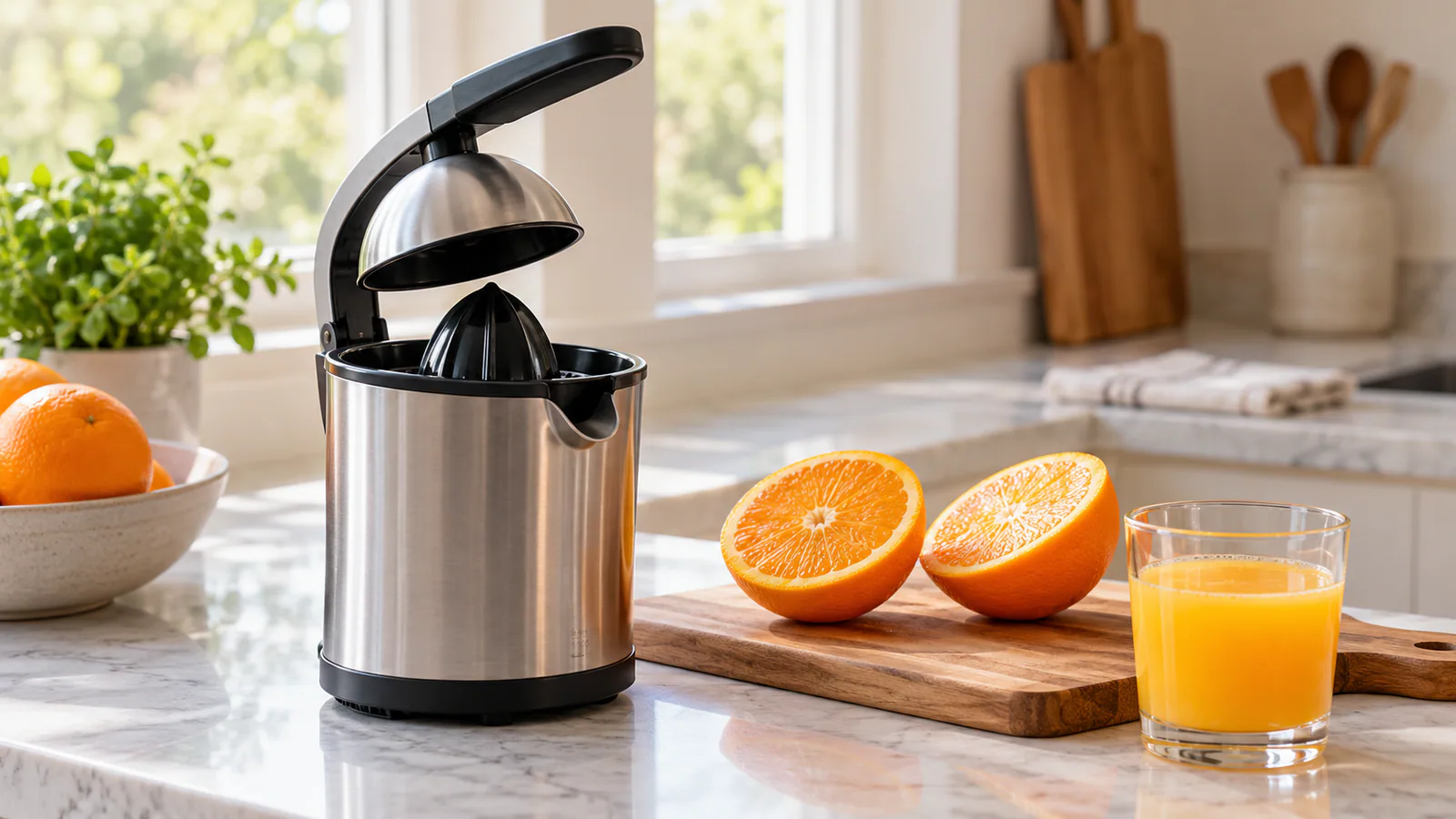
The Breville BCP600 manual illustrates the alternative: cut citrus across the middle and put each half cut-side down on the cone. The rind stays with the emptied half instead of passing through a general-purpose juicer. This is a model-specific example of the workflow, not a promise about every press.
When comparing that format, the COSONIC CJ-9001 product sheet identifies a citrus juicer with a stainless-steel cone and detachable components. Those are relevant features for an orange-juice shortlist; follow the preparation and care instructions supplied with the version you buy.
Do not compare yield percentages without checking the fruit weight
In its Kitfort KT-1131 test, iXBT weighed whole oranges, including the rind, before squeezing the halves. It explicitly warns that its centrifugal and slow-juicer tests use peeled ingredients. A percentage based on whole fruit and one based on peeled fruit are not a fair head-to-head comparison.
The same review found that accumulated pulp needed clearing during larger batches. A citrus press still has a filter and juice-contact parts to clean. Neither that test nor an owner's happy result proves how another model will taste, how much it will extract, or how quickly you will finish washing it.
Choose for your usual drink, then check the parts
- Mainly oranges, lemons or similar citrus: shortlist a citrus press and look for reviews showing the fruit sizes you actually buy.
- Also carrots, apples or mixed recipes: check the exact general-purpose model's ingredient list. A citrus cone is not a substitute for a vegetable-juicing mechanism.
- Before buying, look at the cone, filter and removable parts in the instructions. Search the model name with “orange juice cleaning” or the Russian phrase “соковыжималка для цитрусовых отзывы”. Read accounts that describe preparation and washing, not just the finished glass.
- If the instructions do not cover your usual ingredients or the cleaning routine is more than you want to do, choose another model. If your existing machine already produces juice you enjoy with an acceptable routine, this comparison alone is no reason to replace it.